Accelerating B2B Sales at QA with an AI powered Assistant
I designed an AI assistant that helped sales reps recommend learning content with confidence, reducing SME dependency and speeding up deals.
Audio overview
MY ROLE ON THE PROJECT
I led the product design work from early discovery to rollout. I worked closely with Product Manager, Sales, CSM and Data teams to map out user journeys, define metrics, and prototype an experience tailored for B2B reps. I owned the UX strategy and interaction design.
We needed a smarter, faster way to recommend content
To hit our 25/26 financial goals, we needed to accelerate deal velocity and reduce lead drop-offs. But sales teams faced three major blockers
Many clients weren’t clear on their own challenges, making discovery calls inefficient. Reps lacked a structured way to turn business needs into learning solutions.
A recent merger tripled our content catalogue, and reps, especially new hires, struggled to keep up. Onboarding slowed, and recommendations became inconsistent.
For most B2B deals, reps relied heavily on SMEs (Subject Matter Experts) for content recommendations, but SME availability was limited, causing delays and lost momentum.
BEFORE ELAX-SALES
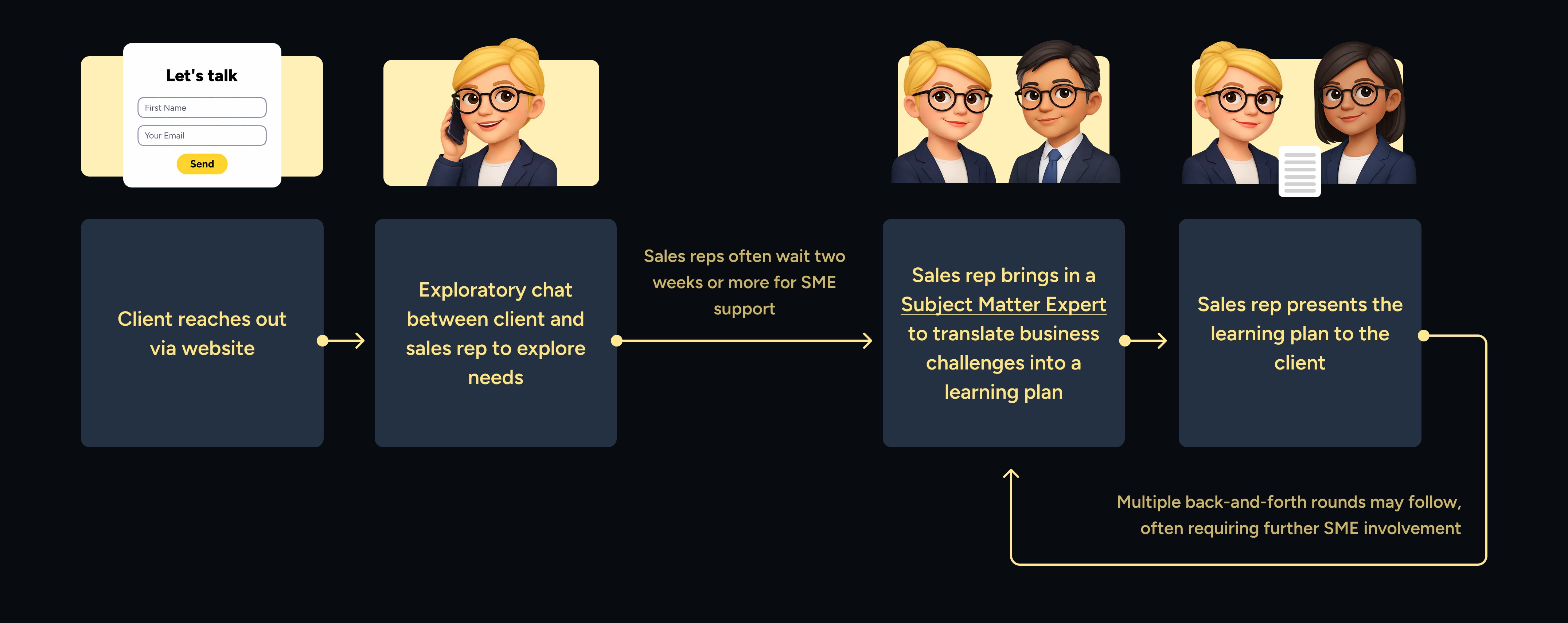
How might we help reps recommend relevant content without relying so heavily on subject matter experts?
The solution was to create a new version of Ela, designed specifically to help sales reps recommend the right content with confidence.
I designed a flow that allowed reps to:
Capture key signals from client conversations like industry, role, and challenges
Get relevant content suggestions instantly, ready to share with the client
Create a first learning plan without waiting weeks for SME support
To make sure Ela delivered value quickly, I designed for fast activation, so reps could benefit from it from the very first use. I also partnered with the data team to track adoption and understand whether it was actually helping reps move faster and rely less on experts.
AFTER ELAX-SALES
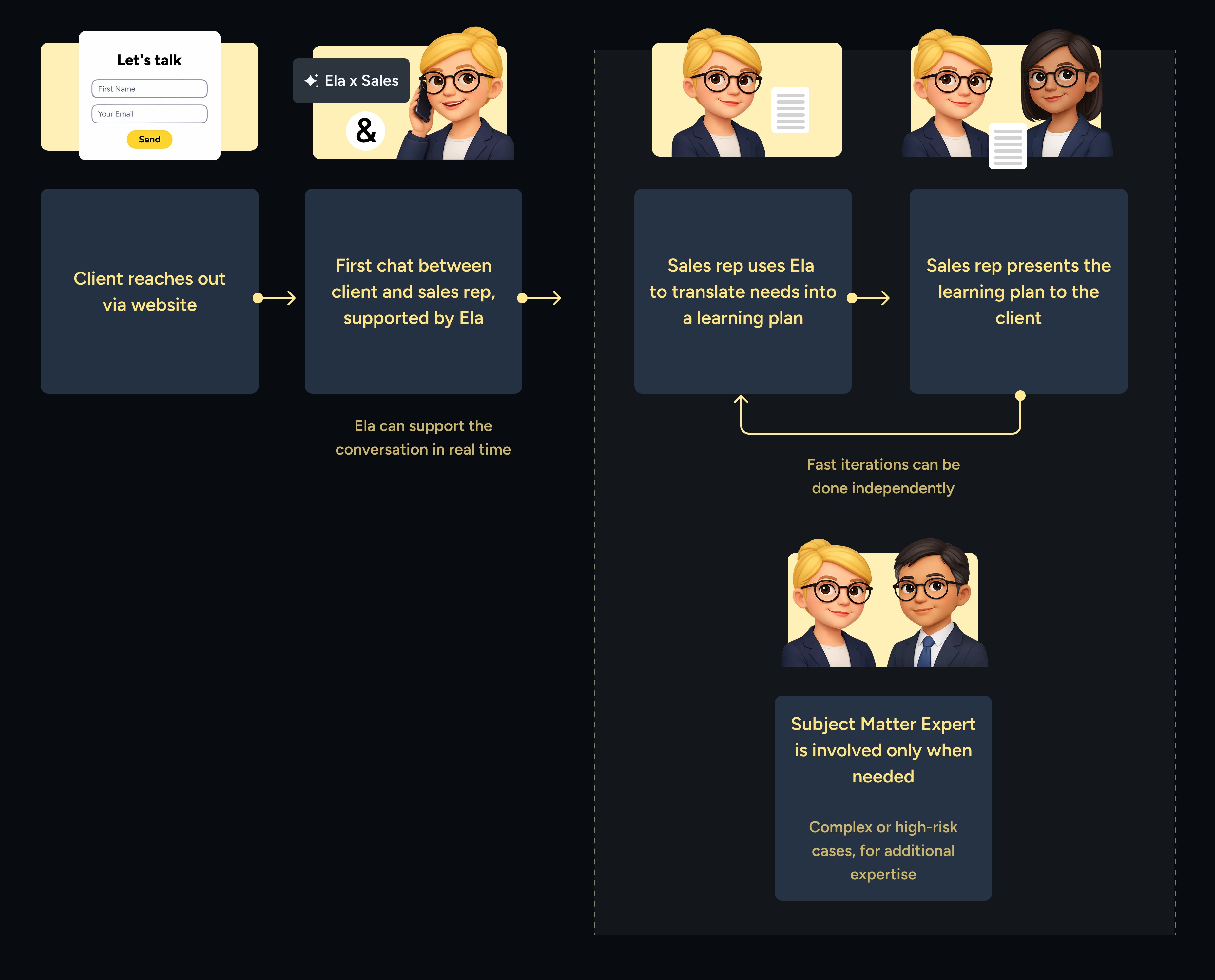
This is how ElaX Sales works! Built for flexibility, speed and trust
From a UX perspective, I designed three input modes to support different rep working styles and experience levels:
A guided Q&A flow for reps who needed more structure
A free-text input for jotting down client needs as notes
A meeting notes upload feature for reps who preferred copying the conversation's transcripts
Below is the guided Q&A flow, the first one we released as it felt the safest
This allowed us to observe user preferences and test which input types generated more accurate AI outputs. Designing for both usability and input fidelity improved Ela’s value across varied workflows.
Some early feedback
Managing expectations in a probabilistic system
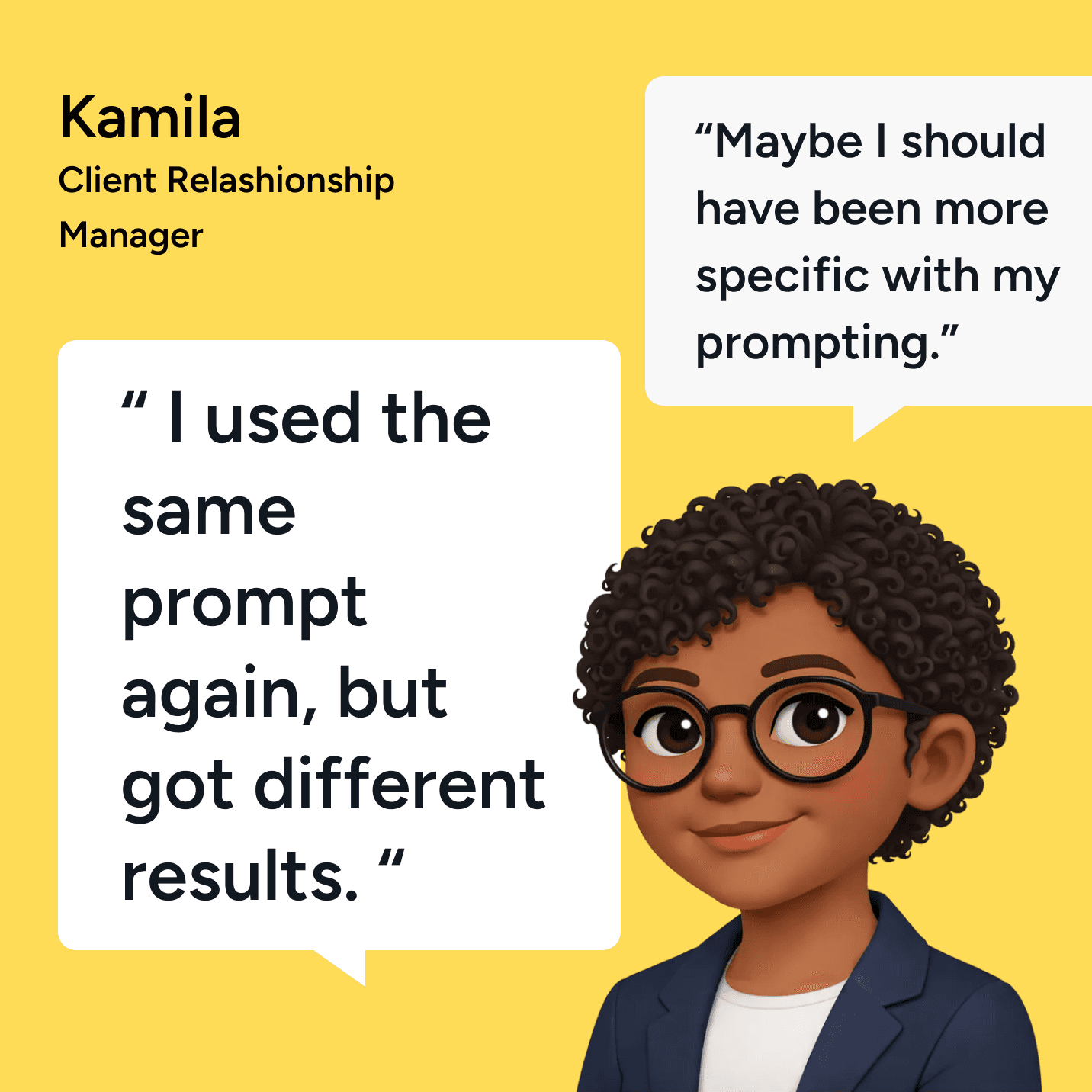
One unexpected insight: reps were frustrated by AI's non-deterministic nature. Getting slightly different results from the same input felt unreliable to users accustomed to fixed systems. This exposed a core challenge in AI design: expectation management.
Addressing SME anxiety
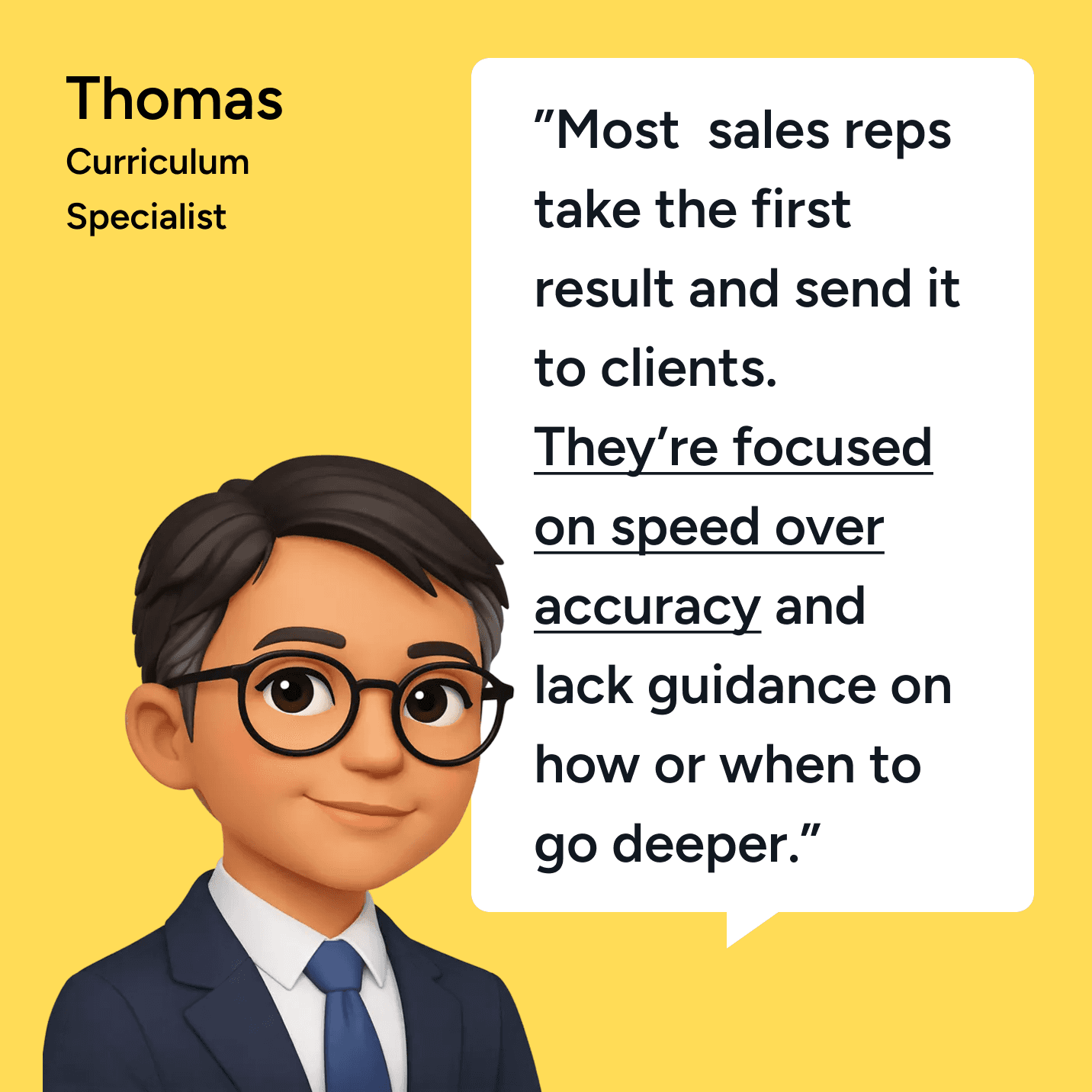
To build trust early, we asked reps to validate Ela’s suggestions with SMEs. But a new challenge quickly emerged: some SMEs warned reps not to overtrust the tool, and they weren’t so wrong. As a result, a deeper trust barrier formed. It wasn’t just about trusting Ela, reps began doubting their own judgment and defaulted to waiting for SME approval anyway.
Designing trust signals to guide user judgment
I introduced a trust signal layer. Ela now checks input completeness and flags whether a recommendation is safe to share, somewhat safe, or requires expert review. This balances automation with accountability, helping reps move faster without removing their judgment.
Motivating feedback through visible user impact
We also experimented with a lightweight feedback loop. After each recommendation, reps could rate usefulness or flag concerns, but usage was low. To encourage feedback, I designed a motivational nudge showing how their input would improve Ela’s accuracy over time. The next version will include a percentage-based improvement signal to make the value of feedback tangible. While still early, this lays the foundation for long-term trust through visible impact.
Results and impact so far
FEATURE ADOPTION
65% of reps used Ela weekly within 6 weeks 3.2 average recommendations viewed per session
SALES EFFICIENCY
Time from lead to first offer dropped significantly Number of first offers increased, indicating greater rep autonomy ~20% reduction in SME involvement, freeing up expert time
QUALITATVE FEEDBACK FOR CURRENT SALES REPS AND CSM
Reps reported more confident, smoother conversations with leads SMEs saw fewer basic content support requests, freeing them for strategic work
ENABLEMENT & ONBOARDING TIME FOR NEW SALES REPS AND CSM
Confidence in catalogue navigation increased early on Reduced SME reliance let new reps contribute sooner
What I Learned
This was a pivotal B2B sales enablement project that deepened my experience designing tools with measurable commercial impact.
A key learning was that AI familiarity doesn't equal trust. Many reps expected deterministic behavior and found AI’s variability uncomfortable.
That insight reshaped how I approached adoption. I learned that building trust in AI requires expectation management, cultural alignment, and clear cues for when to trust automation vs. bring in a human.
As a low-cost intervention, I designed a new empty state for Ela to clarify what it can and can’t do. It framed Ela as a "drafting partner, not a subject matter expert", redefining the user’s role and resetting expectations.
That mindset drove bigger choices, like the confidence signal layer and feedback loop. These weren’t just features; they were trust-building mechanisms that encouraged adoption by supporting user judgment.
Check out more projects
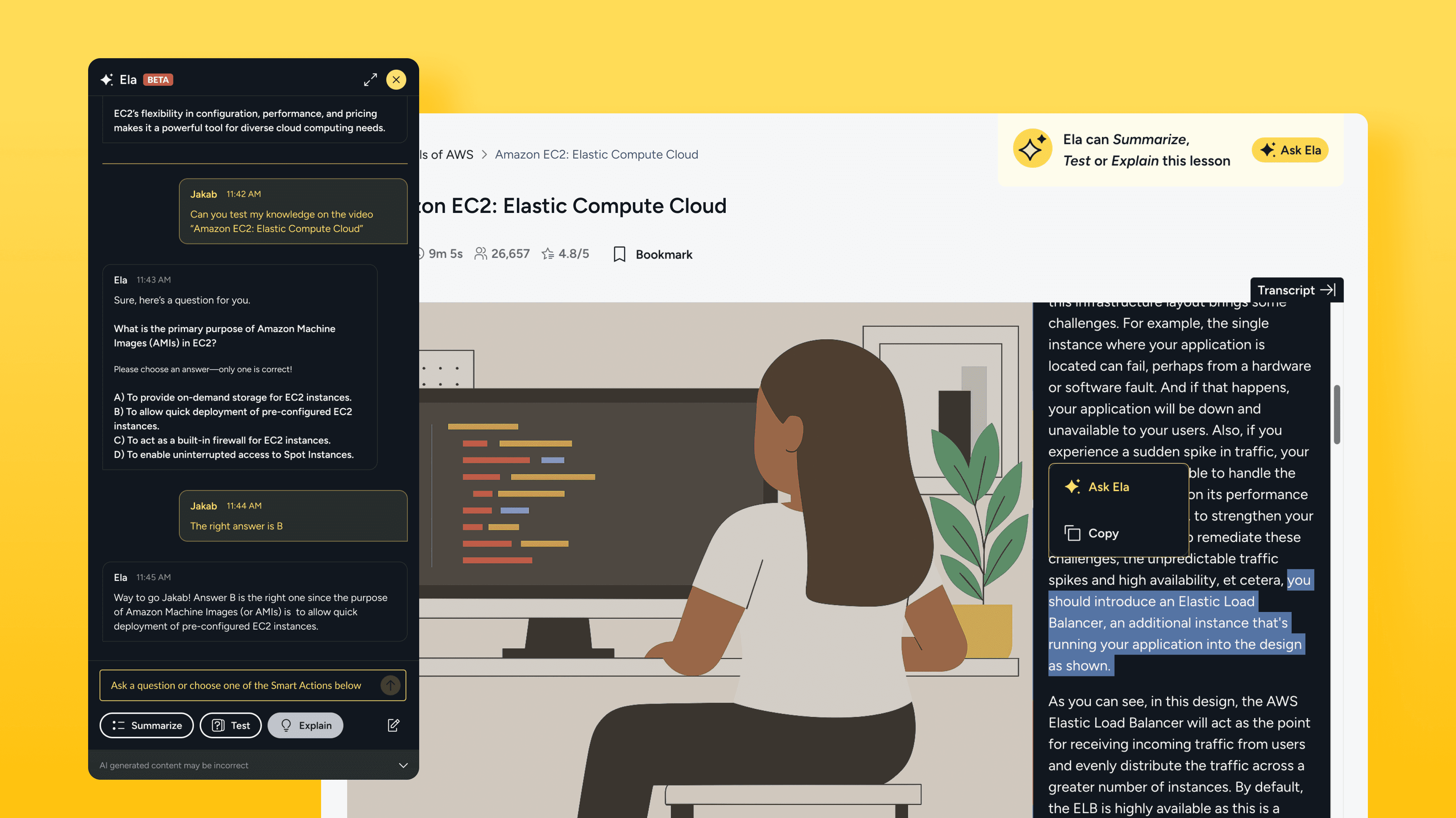
How I've helped QA users learn more confidently with an AI assistant.
I led the design for the 0-to-1 launch of QA’s learning assistant at the beginning of 2025. Created to reduce friction and support learning momentum, Ela is now adopted by 80+ client accounts and holds a 4.5/5 user satisfaction score.
Avg. rating 4.5/5: Strong validation for a beta release
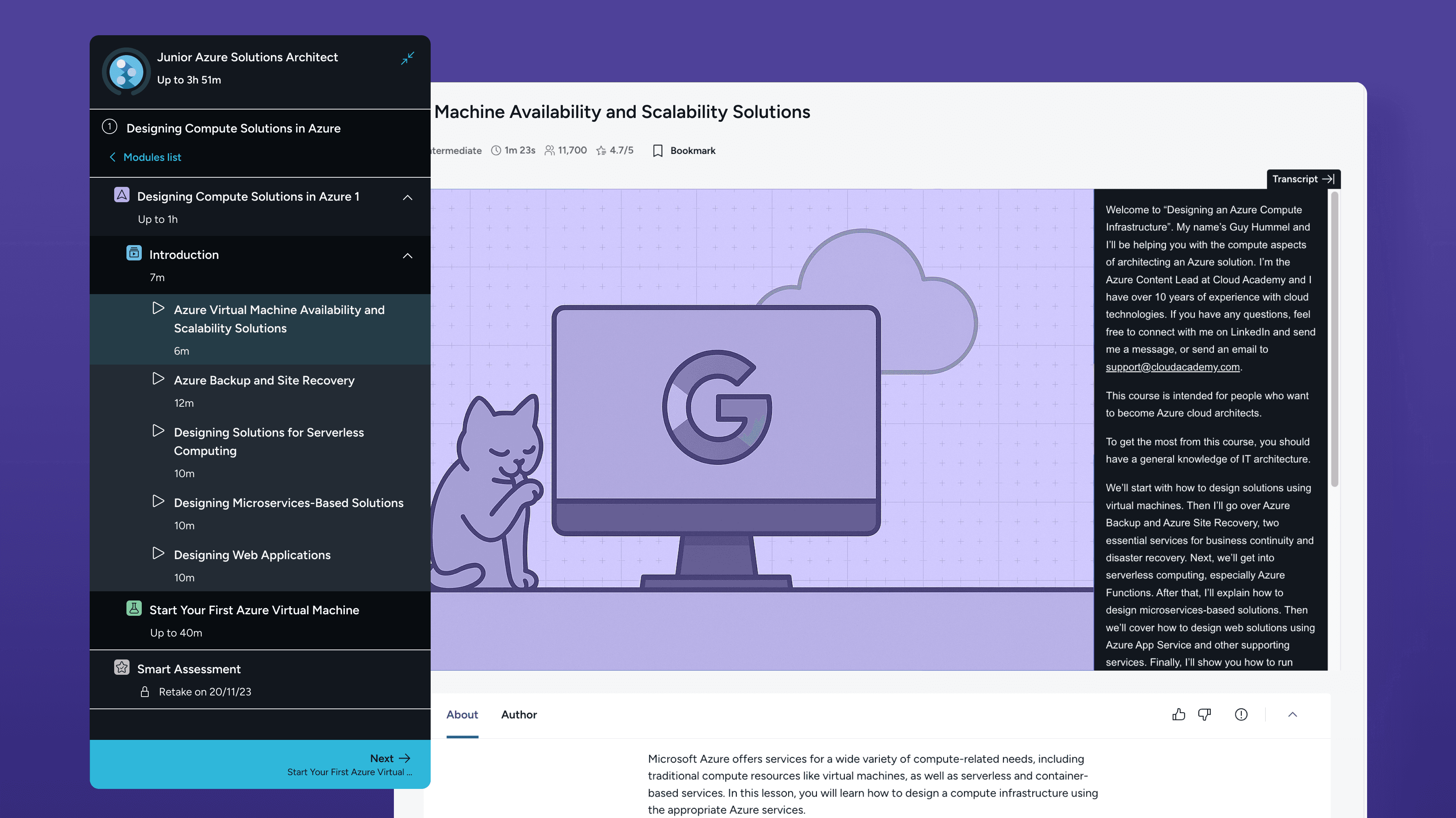
How I redesigned navigation to keep learners on track.
I designed a universal sidebar to unify all content types during a major content merger. Learners can now track their progress without leaving the lesson, reducing distractions.
53% drop in users exiting lessons to track progress
28% reduction in fullscreen toggling to study
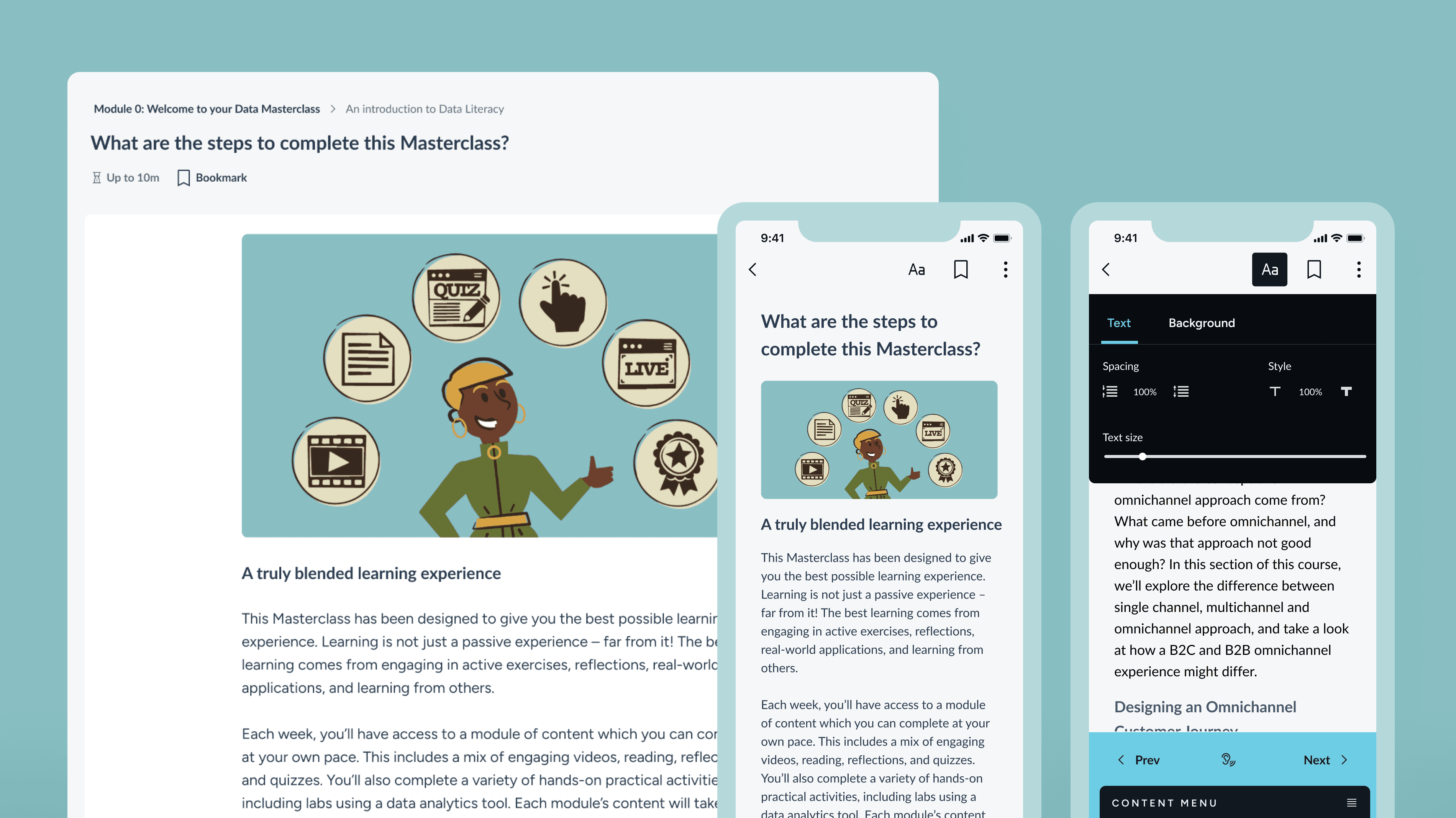
How I simplified and unified a misaligned Text Lectures experience to support a major content merger.
I transformed fragmented Text Lectures into a unified, intuitive experience — resolving usability and progression issues to protect learner engagement and retention during Circus Street’s post-merger transition.
Resolved 5 out of 5 major UX inconsistencies: addressed and resolved all identified UX debt.
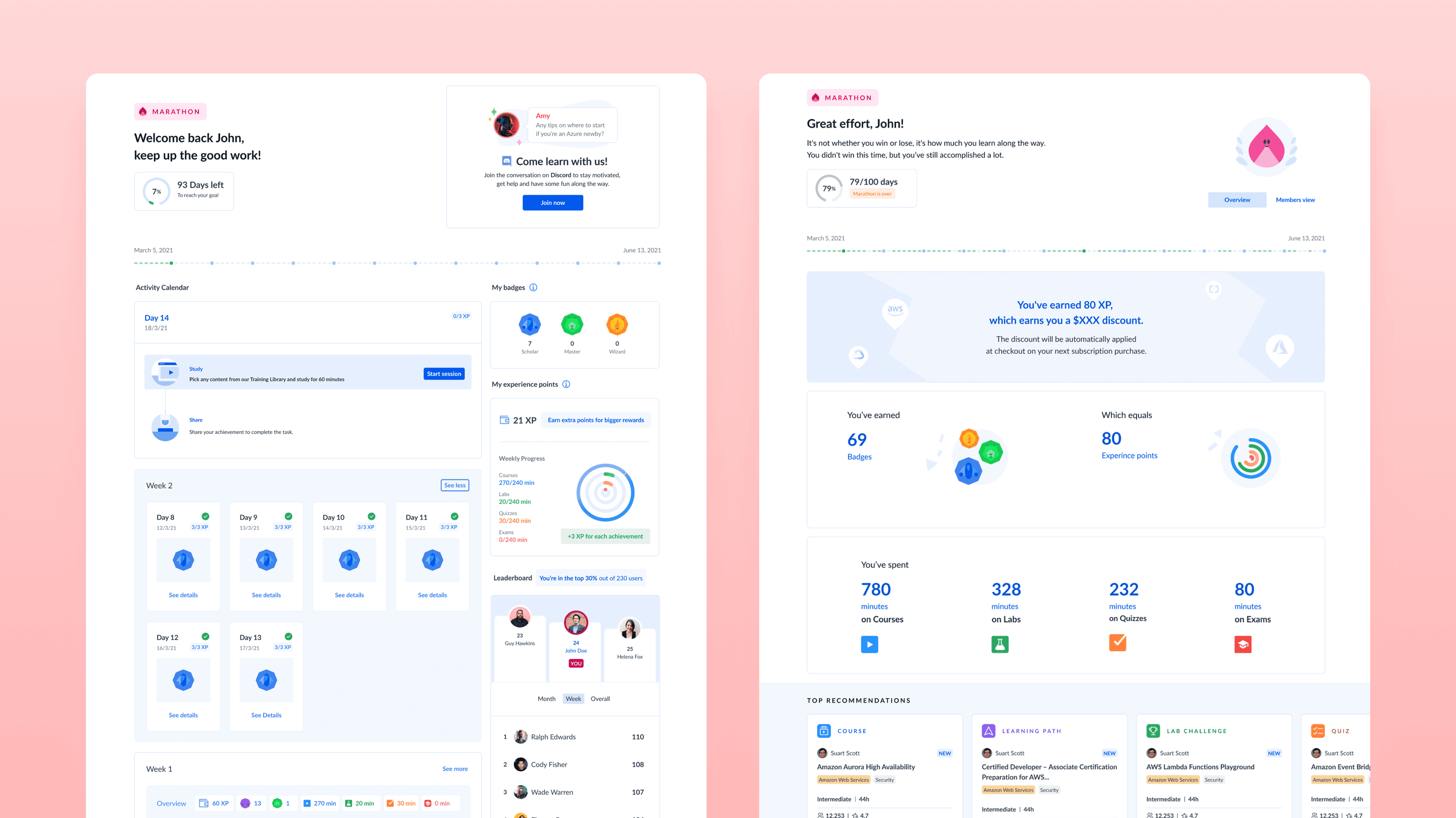
How I gamified learning at Cloud Academy boosting user motivation and MoM cashflow.
I designed a 3-month challenge that increased engagement, reduced churn, and boosted cashflow. 20% of participants stayed active three months after—well beyond typical subscription periods.
+18% increase in MoM upfront cashflow